Why the dust does not come out
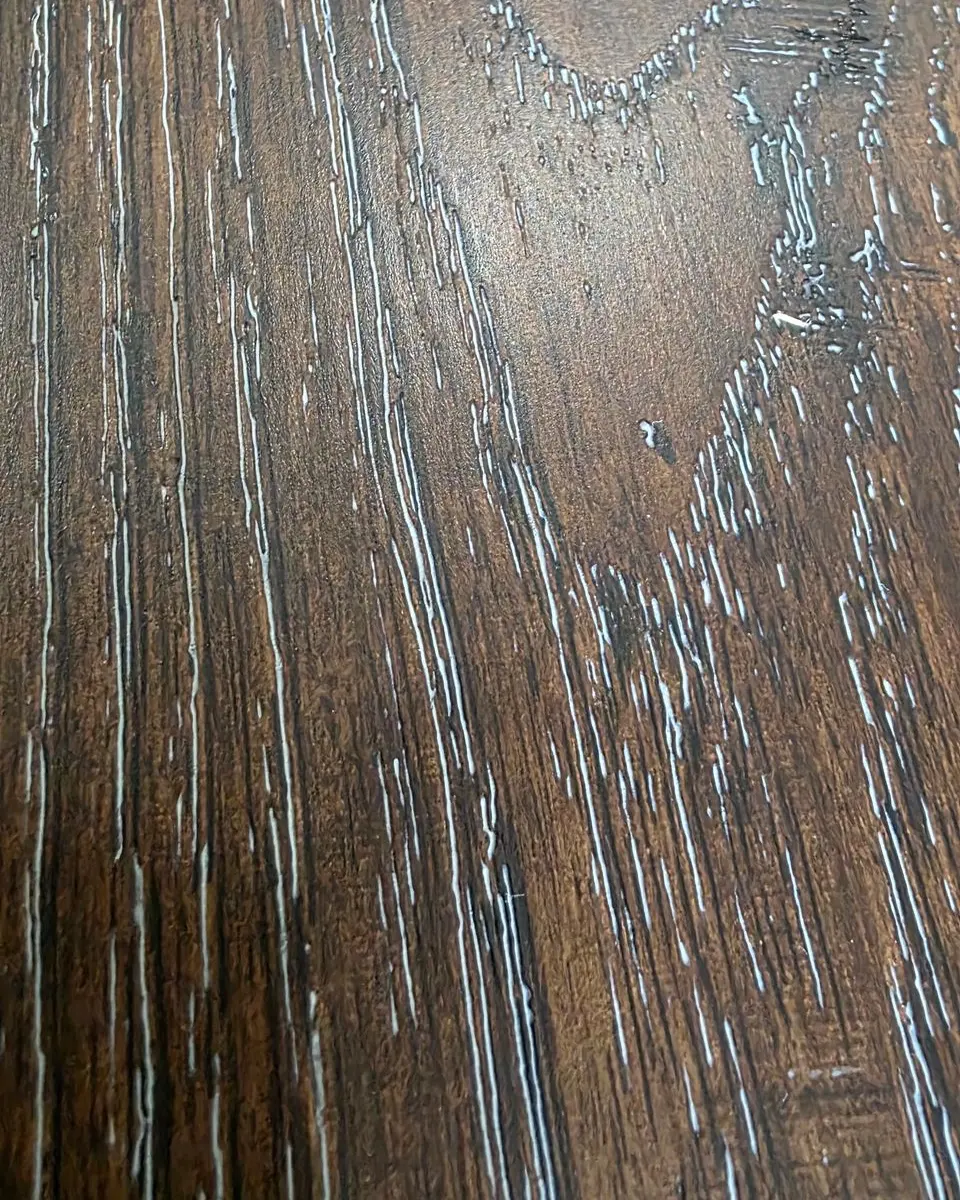
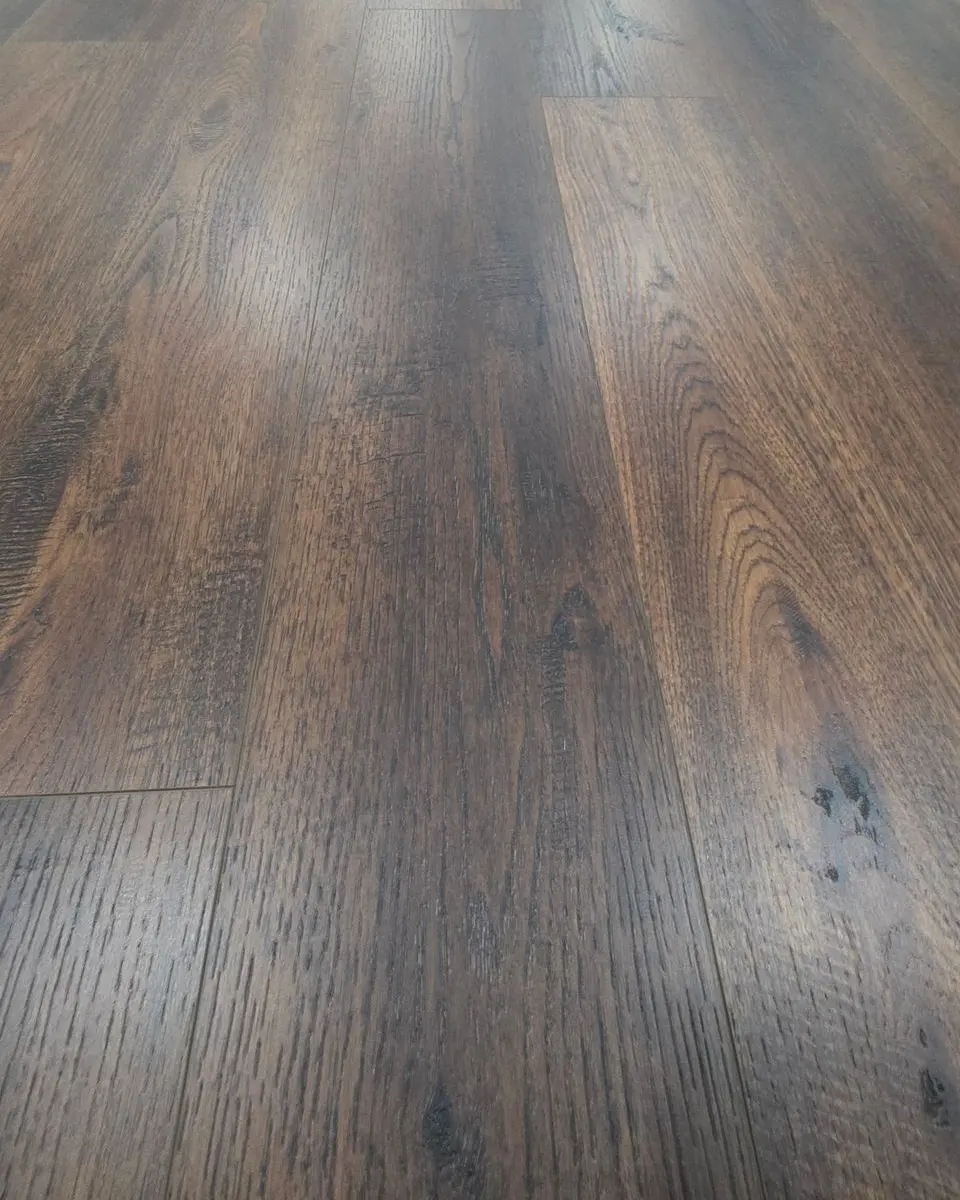
Textured luxury vinyl plank is embossed with a relief that follows the printed wood grain. That relief is the point of the product, and it is also a few thousand small pockets per square foot. Drywall sanding, tile cutting, and the last weeks of a build fill those pockets with dust that is finer than sand and lighter than the air moving through the house. A broom rides over the top of the relief. A dust mop takes the loose layer and leaves the rest.
Why water makes it worse
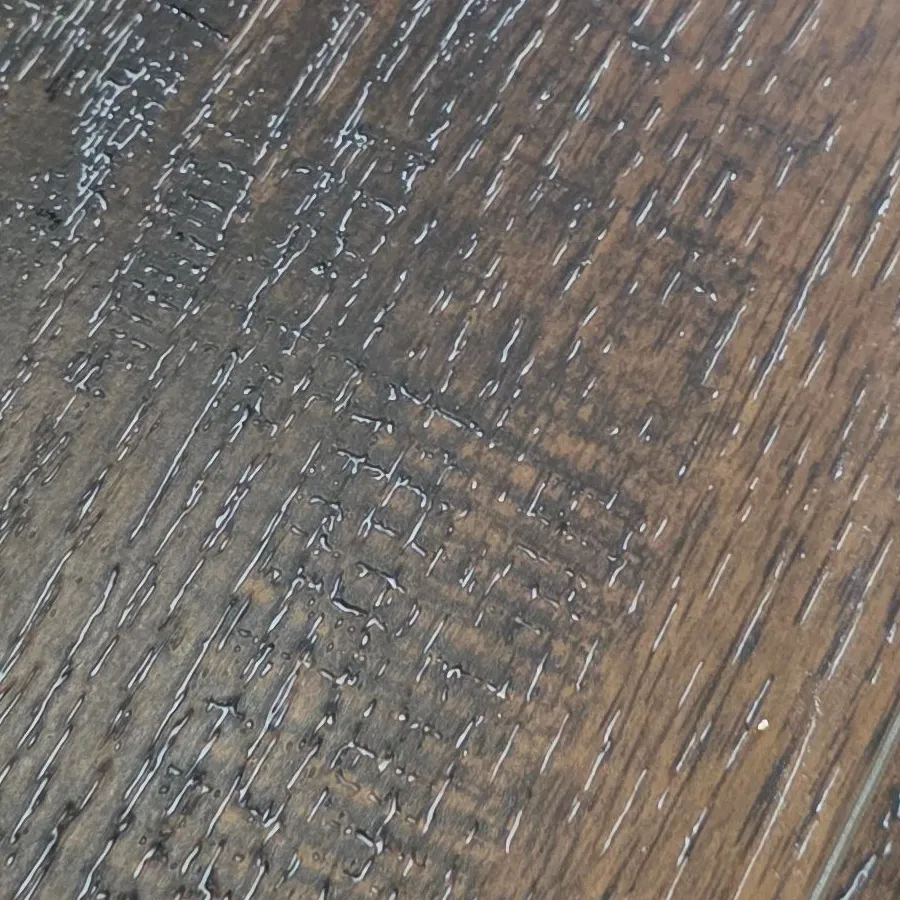
Dust plus water is a slurry. A damp pass without recovery moves that slurry across the floor and lets it dry back into the grain, which is where the gray haze in raking light comes from. Every pass thins the film a little and spreads it a little further. The floor looks clean while it is wet and dull again an hour later.
What gets it out
The dust has to be lifted out of the relief and removed from the floor, not pushed across it, with a cleaner the plank manufacturer allows and nothing abrasive against the wear layer. Done correctly, the floor is dry within minutes and stays clean because nothing was left on it to dry.
What damages the floor
- Abrasive pads and brushes. Grit under an aggressive pad scratches the wear layer, and the scratches then hold dirt permanently.
- Strippers, solvents, and degreasers. They are formulated for VCT finish and shop concrete, and they dull or cloud LVP.
- Steam. Most LVP manufacturers advise against steam mops; heat can affect the planks and the adhesive.
- Flooding. Standing water at seams and along walls can reach the subfloor.
- Cleaning too early. A floor cleaned before the painters and the trim carpenter are done will need cleaning again.
When to schedule it
After the last trade that makes dust and before furniture, appliances, and rugs go in. On a remodel or a rebuild that is usually the day before the owner walkthrough. If the punch list runs another week, a light second visit before the walkthrough costs a fraction of the first.
What to send for a quote
Square footage, the floor types in the house or the space, a photo of the worst area in daylight, and the walkthrough date. For most remodels and new homes that is enough to quote from the photos.
How Maddox handles it
Maddox provides post-construction floor cleaning for remodelers, rebuild contractors, builders, and general contractors across Greater Houston. On a recent fire rebuild in Houston, 1,600 square feet of textured plank that had been swept and mopped several times came clean in one visit, and the rust the dumpster left on the driveway was removed on the same visit.